Photo Essay No. 2 (Text, PDF)
| Title | Rural Women's Bodily Labor Photographed by Professionals and Amateurs |
| Subtitle | - |
| Authors | Grey Osterud |
| Publication | 2026 |
Text
Photographs are among the most valuable sources we have to explore the social construction of gender through bodily labor in early twentieth century Europe. In interpreting these visual images, I have shifted my focus from the information they contain about the gender division of labor—which tasks were typically performed by women or by men—to the dynamic ways in which gender is constituted through the working relationships depicted in photographs.
The relationships between photographers and their subjects shape the visual representations of bodily labor. This analysis draws on the theoretical framework proposed by Ava Baron and Eileen Boris (2007), which conceptualizes the body as co-constructed by relations of gender and work and as subject to representation, regulation, and corporeality.[1] Ann-Sofi Forsmark’s model for understanding “materiality and mentality” in photographs of people at work in early twentieth century Sweden (2008) has been especially suggestive.[2]
We must begin by acknowledging that the overwhelming majority of extant photographs of rural women at work at this place and time were taken by men. Women who pursued careers in photography were trained in studios, often owned by their father or husband, where they helped women seeking formal portraits of their families choose accessories, backdrops, and poses that would show everyone in the most favorable possible light. Indeed, rural women cannot be distinguished from urban women in studio portraits, nor can images taken by women be told apart from those taken by men—except when the photographer owned and operated the business under her own name and had it printed at the bottom of each portrait. Moreover, men were far more likely to travel across the countryside stopping at farms to offer their services; women who photographed rural scenes stayed closer to home.
In a systematic study of thousands of images of women at work in rural Sweden, which have been digitized and made available to the public on the website digitaltmuseum.se,[3] I found subtle but significant differences in the composition and depiction of physical labor in photographs taken by professionals who were strangers to the communities they documented and those taken by skilled amateurs of their families, friends, and neighbors. The familiar insiders took more photos of women engaged in a wider range of tasks than the outsiders did. Their representations of women were more dynamic, showing women’s bodily movements, their focus on the task at hand, and their interactions with their coworkers. In comparison, the images of rural women at work taken by outside professionals were more static, presenting them as statuesque figures who often returned the camera’s gaze.
This photo-essay compares images taken by Gunnar Lundh, a prominent professional who documented life on farms as well as in cities for publications that reached large audiences, and Ida Häckner, one of Sweden’s few women professionals who worked outside the studio, with those taken by Karl Fredrik Andersson and John Alinder, excellent amateurs who did not sell their photographs but shared them with their subjects. It analyzes these images in depth in order to demonstrate the richness of photographic representations as sources for exploring gender relations in action on early twentieth century farms.
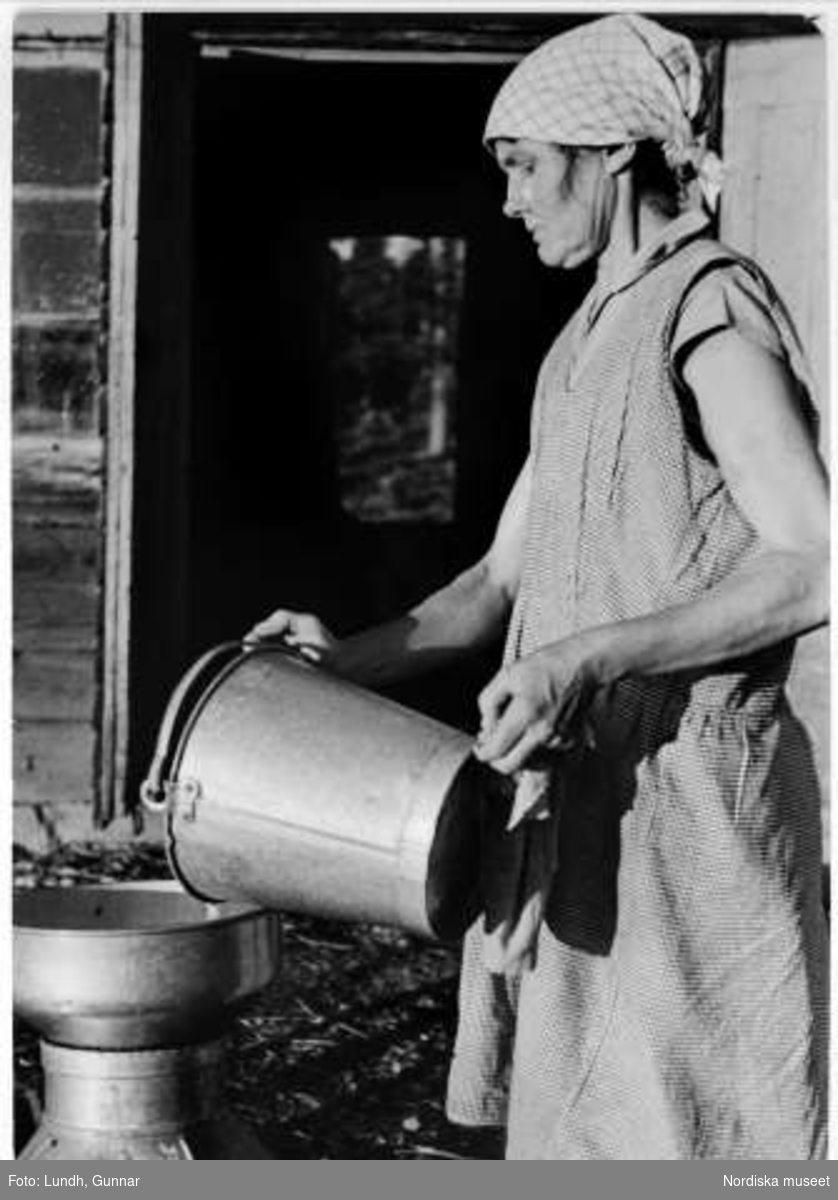
Figure 1. Woman pouring milk from a pail into a milk can. Stockholm county (now in Uppland). Taken by Gunnar Lundh in 1935. Nordiska museet, Stockholm. Source: digitaltmuseum.se, NMA.0000173.
Consider this striking image of a woman straining milk outside the cowshed on the Börjeson family farm near the Baltic coast north of Stockholm.[4] Gunner Lundh recorded this scene of everyday life with his 35 mm Leica.[5] He spent several days with his chosen subjects, observing them as they went about their ordinary activities in their accustomed environment. This representation of a mature farm woman emphasizes the muscular strength she has developed over decades of milking cows. Her posture and poise convey confidence in her ability to carry out tasks that demand physical effort and expert judgment. In this quotidian setting, Lundh presented her with the dignity conferred by her labor.
To its contemporary audience, this photograph represented a familiar conception of agrarian womanhood. As in many other rural areas in Europe and North America, tending and milking cows had long been women’s responsibility. When farms expanded their herds and sent their milk to centralized dairies for processing into butter and cheese, milking remained a womanly task, but became more physically demanding and exacting. Straining the milk ensured it was free of straw and other residues from dirty udders, hands, and implements. Until the widespread adoption of machinery after the Second World War, milking was almost entirely in women’s hands—even as dairying became a major source of income for many farmers.[6]
Summer farms, where all-female groups spent several months away from their family and village tending cows and preserving the milk, were also women’s spaces. In more northerly and upland parts of Sweden, the fäbod system of taking cows to higher elevations to graze was essential. Summer farms in Dalarna were a women’s world, as they watched the cows, milked them twice daily, made butter and cheese, and gathered grass from natural meadows to supplement the rough grazing.[7] Some belonged to a single farm, but others served an entire village, with pastures cleared of trees but filled with stones, natural meadows, storehouses for hay, and sheds for processing milk and sleeping.
This communal institution, especially as it existed in Dalarna, was both celebrated and misunderstood. Outsiders saw these women’s “folk dress” as a vestige of the past and invested the figure of the “Dalkulla” with a remarkable degree of independence and slightly salacious but healthy heterosexual freedom. This romanticized image was propagated in the media through the late twentieth century.[8] Women in other regions and urban centers bought mass-produced folk costumes and wore them on Sweden’s national day and at village celebrations, a practice that demonstrates the ability of visual representations and bodily adornments to become detached from their origins and proliferate in other settings. To avoid reproducing this icon, I searched for photographs of women at summer farms taken by women who lived in the province.
This rare photograph shows women at a fäbod in Dalarna, as the woman who represents the group meets with men from the village to discuss business.
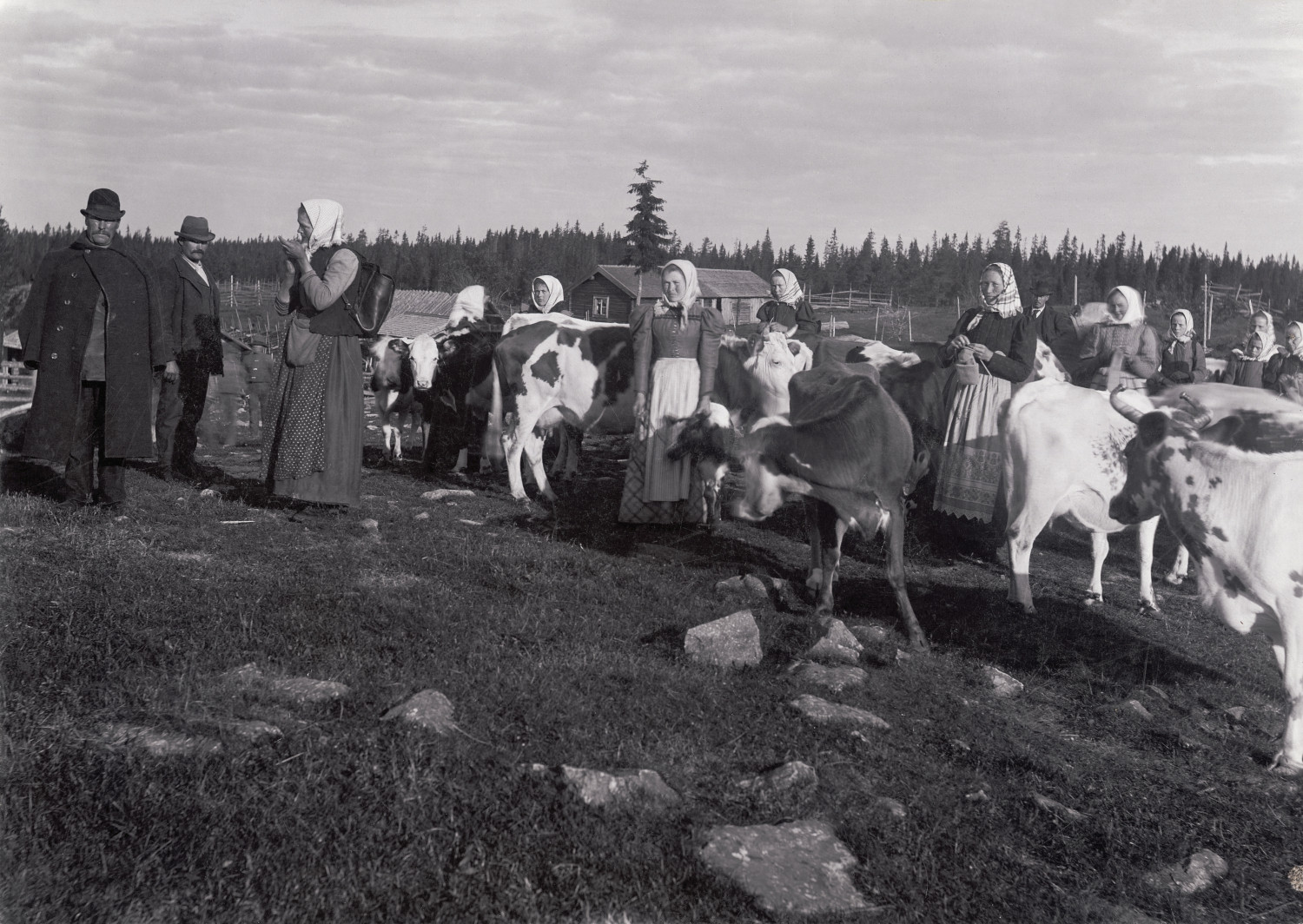
Figure 2. Nyckelberg village’s summer farm. Malung, Upper Dalarna. Taken by Ida Häckner in 1901. Nordiska museet, Stockholm. Source: digitaltmuseum.se, NMA.0048268.
Ida Häckner was among Sweden’s first female professional photographers, and from 1898 to 1909 she was based in Malung. One of seven daughters of an estate owner who was a liberal member of parliament and supported equal rights for women, Ida and all her sisters remained single and pursued professional careers.[9] Häckner’s carefully composed group photograph emphasizes the autonomy and solidarity enjoyed by women on summer farms, and their clothing reflects the dignity and respect she felt they deserved.
Although at the turn of the twentieth century Dalarna was imagined as a surviving example of ‘traditional’ Swedish culture, the area north of the Dala River had long had a distinct economic and social structure from neighboring provinces. Its residents resisted enclosures and retained the communal, open-field village system; landownership was nearly universal; shares in the fields and meadows were easily exchanged and rearranged at marriage or inheritance; and families relied as much on artisanal and itinerant work as on farming.[10] Gender relations in Dalarna were also atypical of the rest of Sweden, marked by daughters’ equal inheritance of farmland long before the legal reforms of the late nineteenth century. Relatedly, they seldom took jobs as live-in servants in other people’s households, which was the main occupation open to single women who wanted or needed to be self-supporting. Rather than marrying outsiders, they were expected to marry men from their own or nearby villages. The public image of Dalecarlian women as physically strong and independent was reinforced by their seasonal employment as expert gardeners and hardy construction laborers in Stockholm and other places south of their province, where they hired themselves out in self-organized groups.[11]
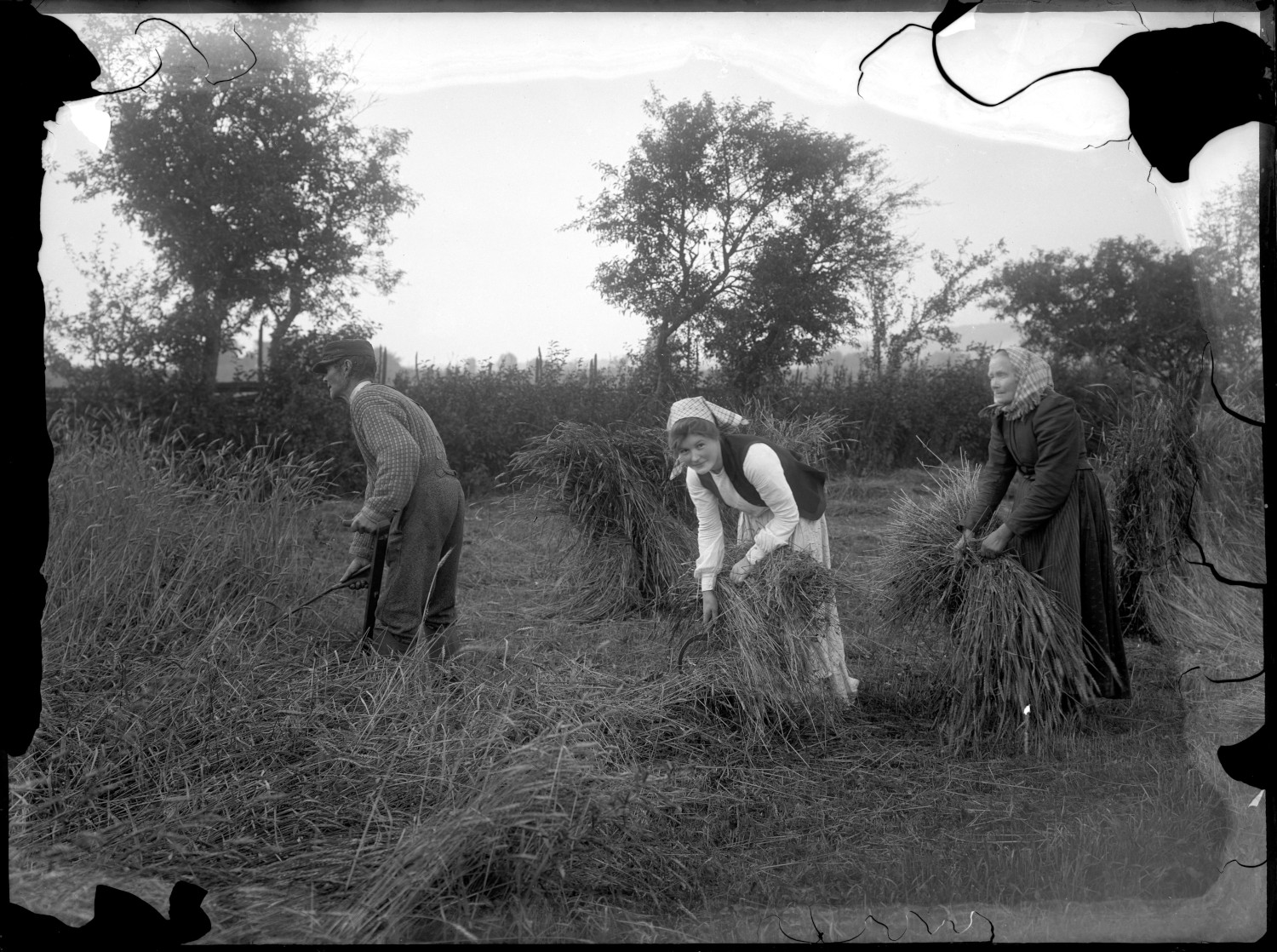
Women’s autonomous labor in the cowshed, on summer farms, and in dairying was complemented by their shared labor with men in their families and neighborhood during haymaking and harvest. Family work teams were the most common, irreducible units in photographs of farming.
Figure 3. Gabriel Jonsson, his daughter Selma, and his wife Johanna Jonsson harvesting grain. Sjogerstad parish, near Skövde in Skaraborg (now Västergötland). Taken by Karl Fredrik Andersson, Selma’s husband, around 1910. Västergötlands museum, Skara. Source: digitaltmuseum.se, 1M16-A121990.
Karl F. Andersson learned to make photographs from his father when it required fragile glass plates, a heavy camera, long exposures, and a complex process of developing the negatives in the dark and printing them in the sunlight, which was used by professionals and amateurs alike before the advent of simpler cameras that used celluloid film.[12] He placed his wife in the center of the frame as she looks at him, suggesting their reciprocal intimacy and their embeddedness in her kin group.
Consider the posture and dress of these figures. Selma looks directly at her husband behind the camera, while her parents focus on the task at hand. Her clothing is typical for women working outdoors: a headscarf to keep her hair out of her face and free of debris; a white blouse with long sleeves to protect her arms from scratches and sunburn; a long white skirt that is full enough to allow her to move freely, and a vest. Her mother Johanna is dressed in black, with a scarf tied under her chin. Her father Gabriel’s cap has a visor to shield his eyes from the sun; his checked shirt has a removable white collar, which serves as a sweatband, as well as gathered wristbands; and his pants are held up by suspenders, which accommodate his swinging arms and forward steps. The geometry of this photograph’s composition places the three bent figures in a triangle and directs the viewer’s eyes to where the subjects’ hands grasp their tools and the grain, emphasizing the coordination that comes from years of working together in the field.
An unusual photograph taken by John Alinder captures a problem that all too often arose when heavy machinery was used on soggy fields. A self-taught photographer, Alinder continued to use the glass-plate negative process because, in his expert hands, it offered unparalleled depth of field and a sharp image of both nearby people and the land they farmed. His departures from conventional subjects and poses indicate his close ties with the people he depicted, who belonged to his family, parish, and region and were so accustomed to his presence with his camera that they allowed him to record their awkward moments as well as their routine tasks.[13]
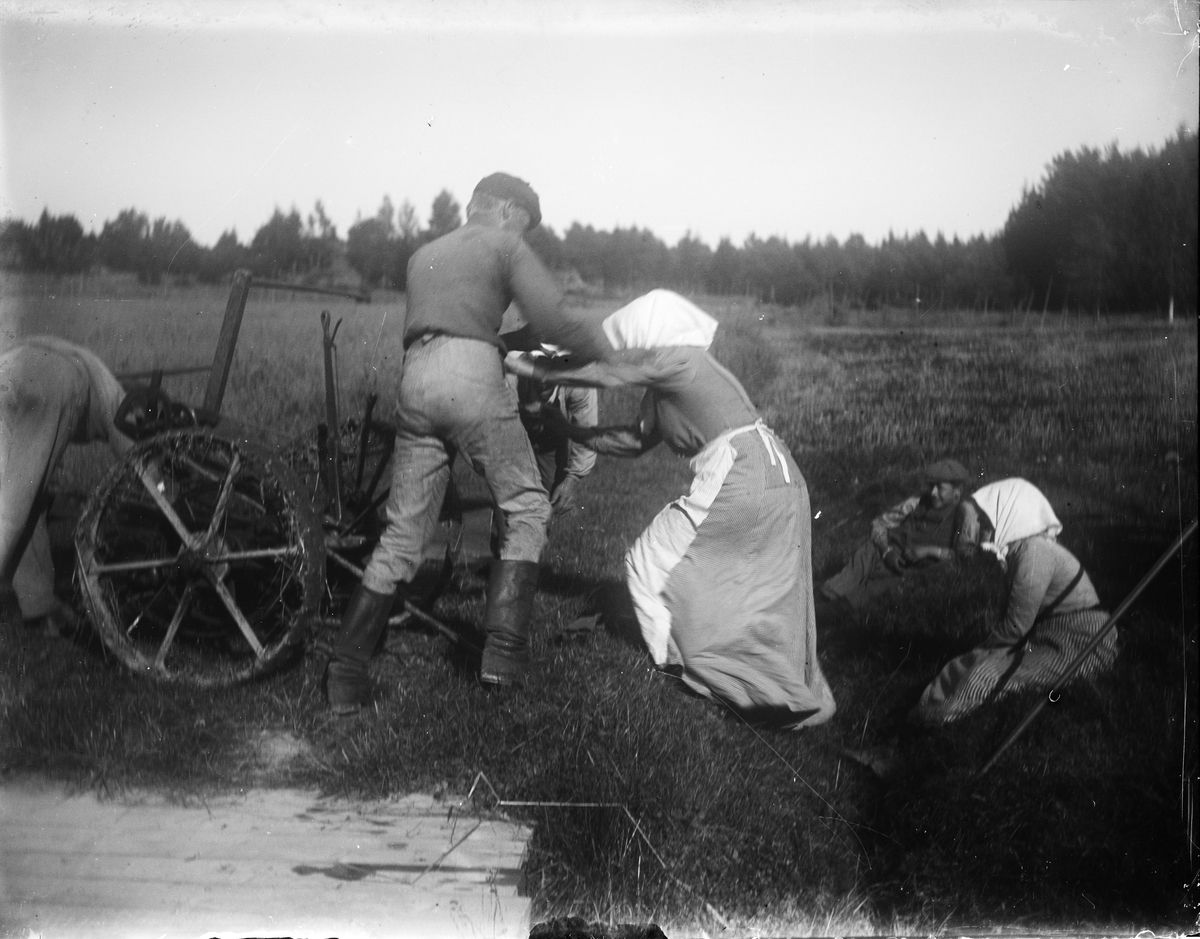
Figure 4. Farm workers with a machine. Sävasta, Altuna parish, Västmanland (now in Uppland). Taken by John Alinder, undated. Upplandsmuseet, Uppsala. Source: digitaltmuseum.se, AL2348.
Here three men and a woman struggle to right the machine and free it from the mud, while another woman and man sit and watch. By placing the woman pushing and lifting the machine in the center of the frame and focusing on her clothing, whose folds emphasize her vigorous movement, Alinder conveys the muscle power she brings to this effort. Indeed, she is the most dynamic figure in the group, as the men peer down and tinker with the works. This image does not depict her as the static object of the photographer’s gaze, but conveys her body’s balance between fluid motion and stability.
Another photograph of a common task taken by John Alinder has a conventional composition, yet portrays his family in the midst of their labor. Potatoes were a major component of Swedes’ daily diet, the home-made alcoholic drink called schnapps, and the mash fed to livestock. Everyone in the household participated in the work, which was done by hand in between more pressing farm tasks.
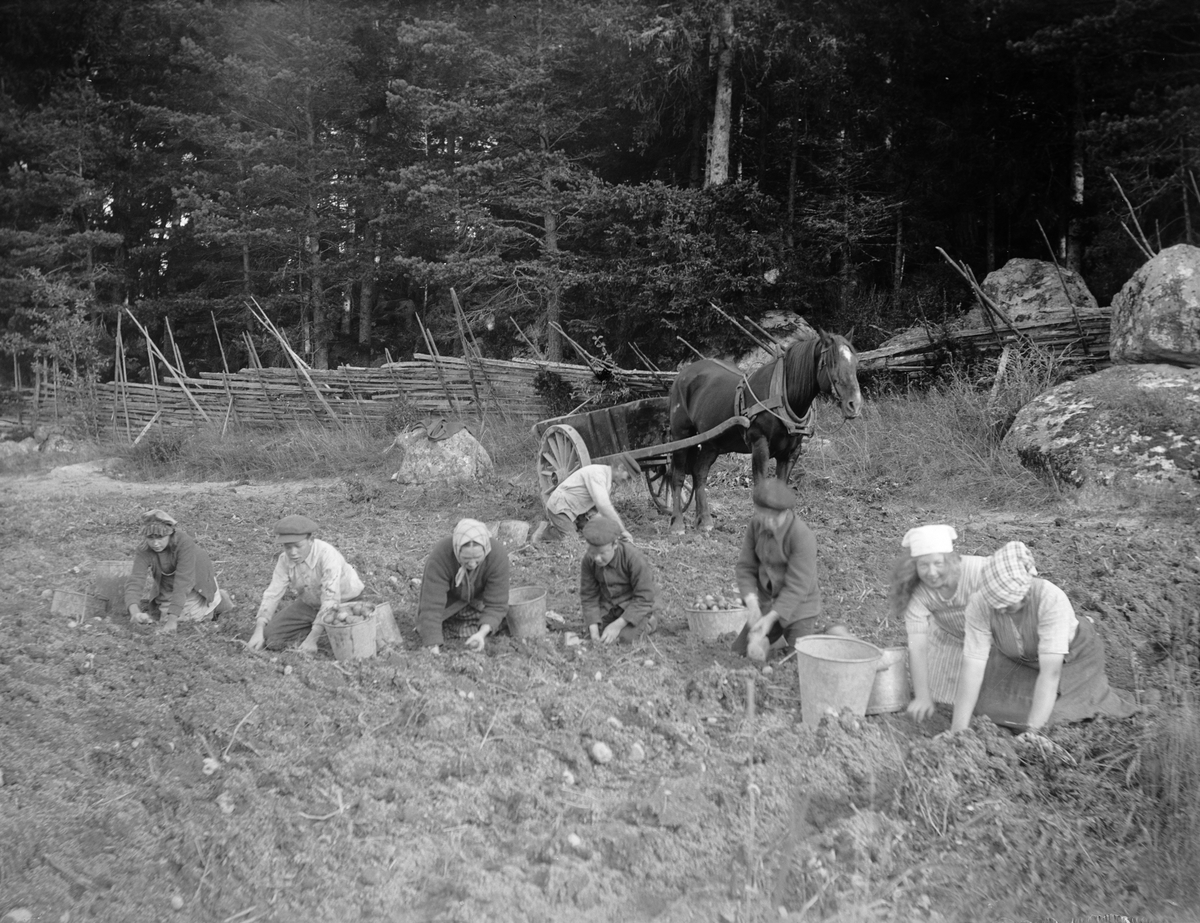
Figure 5. Digging potatoes on the Alinders’ farm. Sävasta, Altuna parish, Västmanland (now in Uppland). Taken by John Alinder in 1920. Upplandsmuseet, Uppsala. Source: digitaltmuseum.se, AL1697.
Alinder’s relatives were comfortable being photographed on their hands and knees as they dug into the plowed earth with their bare or gloved hands and a small tool to lift the potatoes. Most are looking down at their work, rather than up at the camera, and their clothes are dirty, in contrast to those who stood proudly in utilitarian but spotless attire before setting to work.
Only Valborg Persson, a young woman who grew up in the village but was not related to the Alinders, looks up at the photographer. Easily recognizable because of her long, curly hair that was constantly escaping her kerchief, she was included in many photos of the extended family, whether working on the farm or visiting other households. Valborg seems to have had an especially close relationship with John’s elderly father August, who treated her like a foster granddaughter. The individual identities of his subjects captivated John Alinder, who never reduced them to anonymous figures in the landscape or to their class status.
Our final example comes from Gunnar Lundh, the professional photographer whose images are often seen as representing Swedish people on the cusp of modernity. From the 1920s until World War II, Swedish women who were photographed wearing trousers rather than skirts were exceptions: skilled equestrians; older women living alone who cut and chopped their own firewood; younger women who braved hoarfrost and deep snow to make their way to the cowshed to tend the cattle; and a few well-trained women who took on technical or managerial jobs in dairying. Gunnar Lundh, who was always attuned to signs of change in Swedish culture, featured a young woman clad in trousers on a family farm on the island of Gotland in the Baltic Sea.
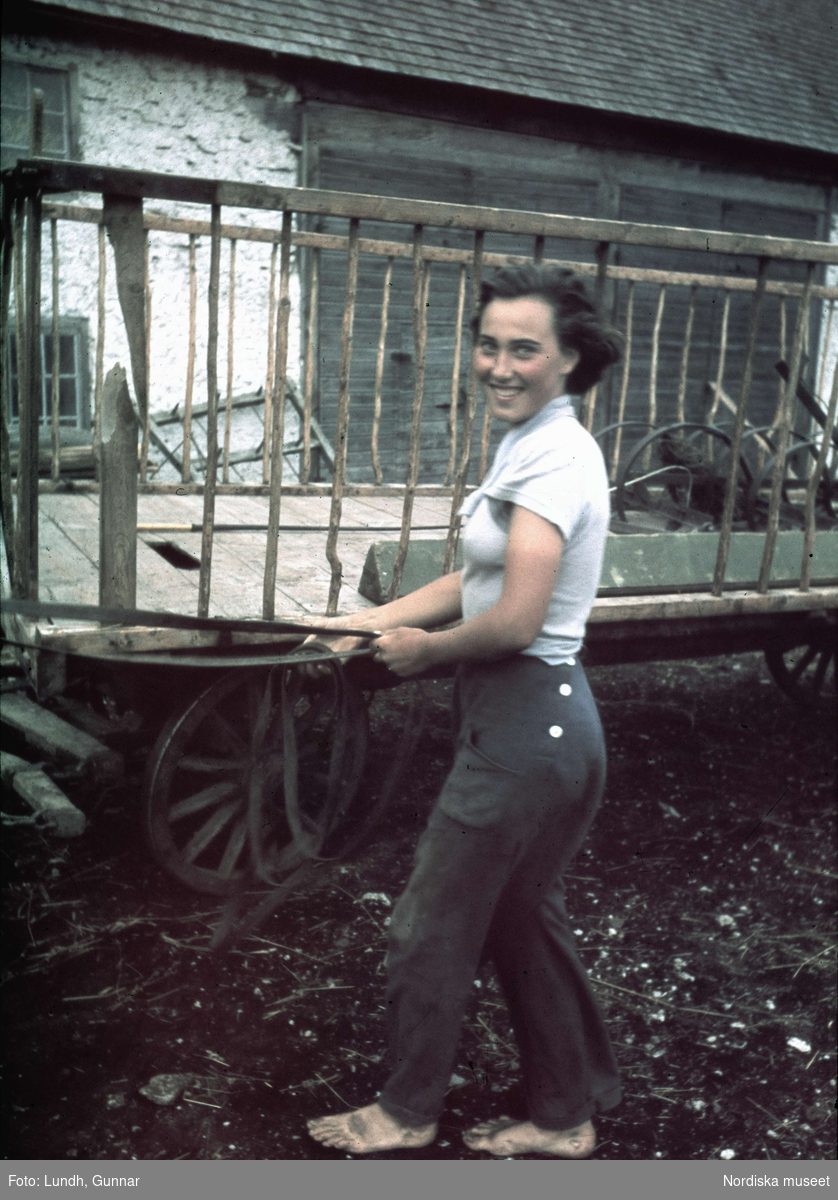
Figure 6. Woman with a horse-drawn hay wagon. Broa, Gotland. Taken by Gunnar Lundh in color in 1938. Nordiska museet, Stockholm. Source: digitaltmuseum.se, NMA.0047635.
This young woman appears comfortable in wide-legged pants that are suited to her task. On a dry mid-summer day, she goes barefooted in the farmyard. In Figure 7, taken a few minutes later, she holds the reins and strides alongside the team pulling the wagon, which carries an implement for haying, while in the distance a man opens the farmyard gate. She seems in full command of the horses, the man a mere helper. But Figure 8, taken just beforehand, shows the man’s arm as he worked beside her to load the machine onto the wagon. Here, however, Lundh deliberately excluded the man from the frame. He caught the young woman breaking into a fetching smile as she turned to look at the camera, probably in response to his request. He did not portray her either as manly or as simply carrying out an outdoor task in whatever garb was most practical. Nor did he present her accurately, as working side by side with a man. Rather, he appealed to the male gaze in order to feminize her as she carried out a heavy physical task involving draft horses and machinery.
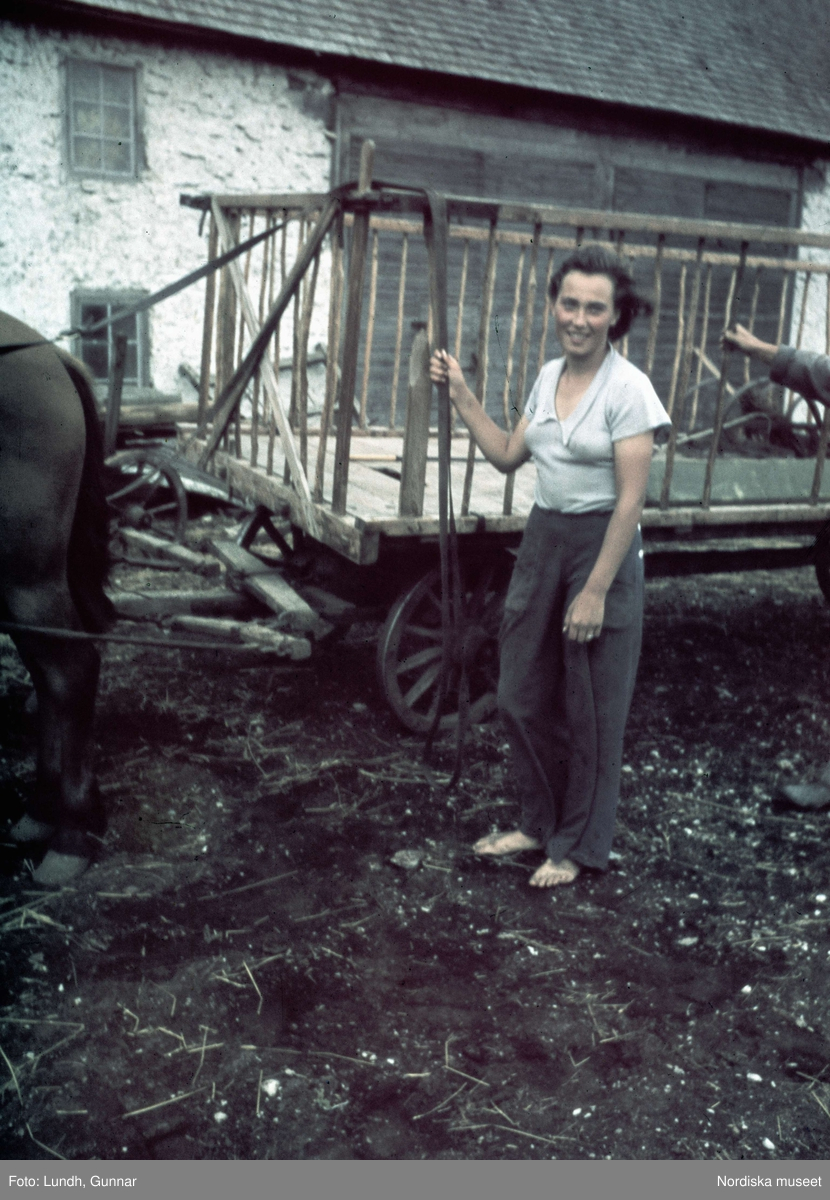
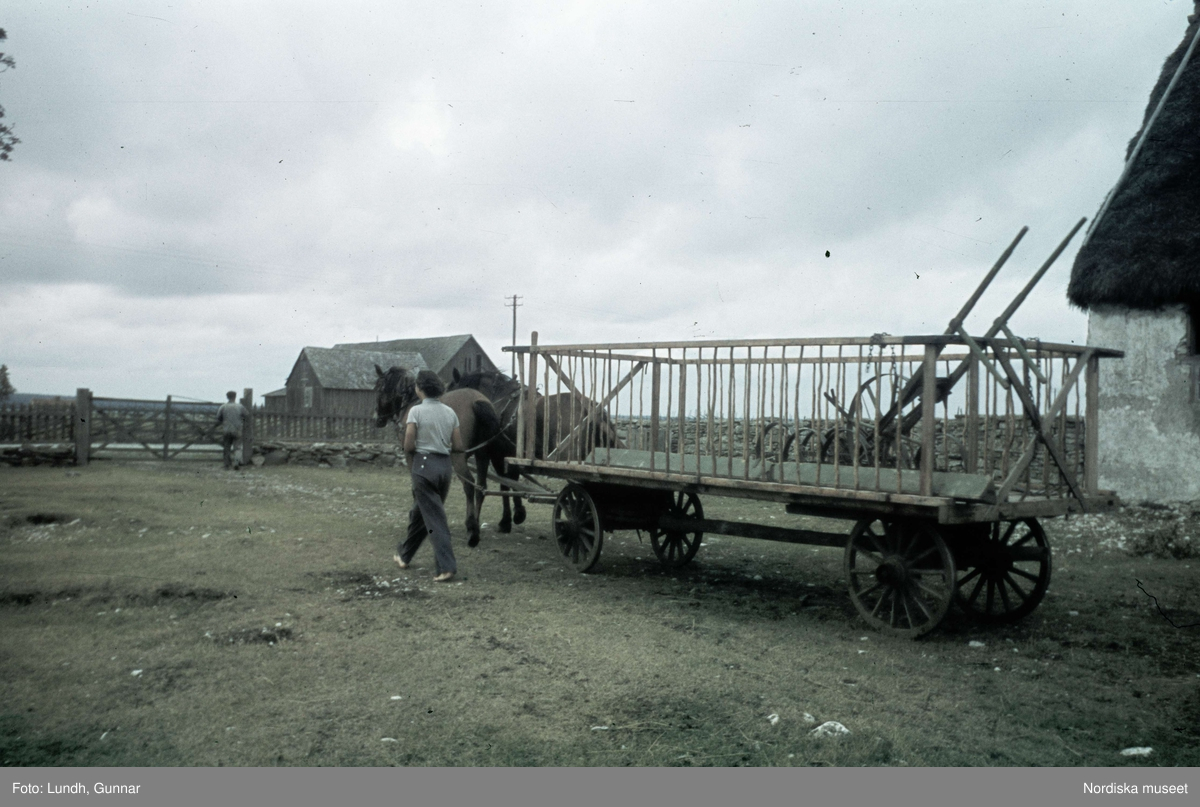
Figures 7 and 8. Woman with a horse-drawn hay wagon. Broa, Gotland. Taken by Gunnar Lundh in color in 1938. Nordiska museet, Stockholm. Source: digitaltmuseum.se, NMA.0047634 and NMA.0047637.
The large and varied body of photographs of women performing physical labor on Swedish farms during the early twentieth century that is available at digitaltmuseum.se conveys the multidimensional and flexible character of gender at work. Close cooperation between husbands and wives was common for some farm tasks, but other tasks were usually performed by women or by men working independently. Men and women were embedded in larger, gender-mixed work groups based on kinship and neighborhood, which tended to overlap in rural geographies. Live-in servants and wage laborers hired by the task or season included both women and men, and on family-owned farms they toiled alongside the relatives and neighbors. In this analysis, rather than regarding gender as a set of conventional notions about which tasks were assigned to men and which to women and then noting exceptions that arose from urgent necessity, gender relations are conceptualized as constituted in and through work. Women and men labored alongside one another in some circumstances; in others, women and men carried out distinct operations for which each was primarily responsible. Yet women were the “flexible sex” par excellence, as they substituted for men much more often than men substituted for women.[14]
The distinctive contribution of historical photographs of women’s bodily labor on farms, however, lies not in documenting what tasks women performed, but rather in the ways these women were depicted and how the meaning and value of their labor were understood.
Comparing images of rural women at work taken by professionals who were outsiders to the people and places they documented with those taken by serious amateurs who belonged to the communities they photographed reveals similarities in their conceptualization of agrarian womanhood and differences in their inflection. I borrow this term from analyses of oral expression to point out the subtle distinctions evident in visual form. Bodily strength and versatility are apparent in all these images, conveying the value and attractiveness of these womanly attributes, but those taken by rural residents who had continuing connections with the people they photographed register their physicality and subjectivity more intimately and powerfully.
In photographs taken by professionals and strangers, rural women are carefully posed, even statuesque. These images often show women before the work process began, rather than interacting with coworkers. Women and children doing gang labor, when represented at all, were portrayed as anonymous figures in the landscape. In more individualized depictions, professional photographers sometimes captured women looking directly at the camera and smiling. These images were designed to appeal to the male gaze. Yet they did not necessarily reinforce an urban, bourgeois notion of femininity characterized by delicacy, a slim figure, and associations with domesticity, consumption, and leisure. Those attributes of femininity were out of place in rural Sweden except among the upper classes before the Second World War.
In images co-created by photographers and their subjects, rural women demonstrate muscular strength, endurance, mastery of manifold skills, and resourcefulness. They are active figures, and they work in close coordination with relatives and neighbors. They are depicted as coming into direct contact with organic matter, as shown in their soiled clothing and mussed hair. But those attributes are free of negative connotations. Instead, they link women as well as men to the natural world they transform into livelihoods through their bodily labor.
This genre of photographic representations has special value for understanding gender and work. Images arranged by photographers and subjects who knew each other well in daily life were shaped not only by the photographer’s eye for composition, light and shadow but also by the subjects’ self-conception and their embeddedness in kinship and neighboring. Individuals participated in choosing their clothing, pose, and setting. Family members and friends who worked together decided who would be included in group portraits, what they would be doing, and how they would be arranged. Collaboration between them and the photographer generated images in which they recognized themselves and others.
Historians who study gender and work in other places can search for similar bodies of photographs to analyze. Locating and looking closely at historical images has recently been facilitated by the digitization and web posting of collections held by museums, archives, and local historical societies. Major projects like digitaltmuseum.se, which are based on national or regional collaborations and are cross-indexed, are still unusual, however, and rich bodies of work by amateur photographers and well documented family albums remain to be discovered in small repositories.[15] Information beyond the images themselves is especially valuable for their interpretation. Identification of the photographer, subjects, place and time, and labor process, while not always available, significantly enhances the analysis. Research on the local context illuminates class and gender relations, which surface in conflicts over wages and conditions and controversies about the gender division of labor. Making links with first-person sources, such as autobiographies and oral histories, enables us to reconstruct work careers, networks of kinship, friendship, and neighborhood, and histories of labor organizing.
The photographs taken by skilled and dedicated amateur photographs come closer than those of professionals to the image of farm women held by the residents of rural Sweden. The conception of agrarian womanhood expressed in these images was deeply rooted in rural culture and changed more slowly than the gender division of labor itself. Women embodied physical strength and endurance. In fact, their gender-specific tasks in haying and harvest were more strenuous than those of men, as they stooped to gather and bind grain while men increasingly rode horse-drawn machinery. Women’s wider range of skills meant they could substitute for men in the fields and carry out heavy tasks when the men were away or otherwise occupied. At the same time, farm women’s control of milking and butter and cheese making diminished as dairying became more profitable and more central to farm income. When milk processing was centralized and mechanized, farm women devoted the time they saved to milking more cows. Men entered the cowshed only when the labor was lightened by milking machines.[16] A similar irony occurred in dairies. As the physical labor required became less taxing and the machinery was increasingly automatic, men replaced women as skilled workers in milk processing plants.[17] On larger-scale capitalist farms, too, women were hired to do the milking and the stoop labor in the fields.
Given these conditions, many unmarried, self-supporting women left rural areas for jobs in urban centers that did not demand such endless toil and offered a degree of independence. As the married women who remained on family farms increasingly worked alone, rather than with their unmarried adult daughters, sisters, and sisters-in-law, their burdens increased. The expectation that farm women would “get up and do what needed to be done” remained, and as men on smaller farms increasingly took off-farm jobs, daughters remembered that their mothers “did whatever farming was done on the place” as well as gathering berries for sale.[18]
Those who grew up in the countryside but moved to urban areas after the Second World War carried this concept of women as economically productive, physically strong, and capable of performing a wide range of skilled tasks with them, and it influenced their views on the key issues of economic and social policy in the postwar period. They took it for granted that most women, including the mothers of young children, would be gainfully employed, so they supported child allowances and subsidized childcare to facilitate this combination of productive and reproductive labor. Rural residents allied with the urban working class to equalize the incomes and living standards of those engaged in agriculture with those of industrial workers. Not only did Sweden set up economic policies that effectively supported the prices farmers received for their products, but farming families enjoyed paid vacations, while those who substituted for them on the farm were paid by the state.[19] All these policies were adopted well before 1970, when Sweden set out to equalize the status of women and men in the labor force and to treat married women as individuals in the tax and pension systems. Women in farm couples were credited with whatever share of the work they performed, which could be more than half if their husbands had off-farm jobs. These changes met with less resistance in Sweden than in countries where rural women’s work was less visible.
Ultimately, the photographs of rural women’s productive labor that were kept in family albums helped to sustain urban-dwellers’ memories of their grandmothers and great-grandmothers who made vital and valued contributions to families’ livelihoods.
References and Credits
[1] Ava Baron and Eileen Boris, “‘The body’ as a useful category for working-class history,” Labor: Studies in Working-Class History of the Americas 4 (2007): 23–43, 61–3.
[2] Ann-Sofi Forsmark, “Arbetsplats Stockholm,” in Anders Houltz, Brita Lundström, Lars Magnusson, Mats Morell, Marie Nisser, and Eva Silvén, eds., Arbete pågår: I tankens mönster och kroppens miljöer (Uppsala: Uppsala Studies in Economic History 86, 2008), 53–69.
[3] The website digitaltmuseum.se brings together and indexes the holdings of county museums, local historical societies, and specialized collections of artifacts, works of art, and photographs. It includes the archives of a wide range of photographers, as well as family albums donated by descendants. Digitaltmuseum.no uses the same database system for Norwegian collections.
[4] The Börejson family farmed in the coastal region is called Roslagen. Three generations were living there—an older couple, their son and his wife, and their young grandchildren. This woman was the older of the two adult women who milked the cows, although the photographs also show the younger man straining the milk outside the cowshed.
[5] Gunnar Lundh (1898–1960), the son of a studio photographer, became a freelancer after the First World War, selling photographs to periodicals and making in-depth studies of places, occupations, and everyday activities. His archive is in Nordiska museet in Stockholm. For his biography, see Pär Rittsel, “Gunnar Lundh,” https://digitaltmuseum.org/021035593126/lundh-gunnar-1898-1960.
[6] For the history of women’s work on farms, see Mats Morell, “Agriculture in industrial society, 1870–1945,” in Janken Myrdal and Mats Morell, eds., The Agrarian History of Sweden (Lund: Nordic Academic Press, 2011), 197–213; Iréne A. Flygare, “Women and Men,” in Agrarian History of Sweden, 224–25; Lena Sommestad, Agrarian Women, the Gender of Dairy Work, and the Two-Breadwinner Model in the Swedish Welfare State, translated and edited by Grey Osterud (New York: Routledge, 2019). Mats Morell, “Technology and Gender in Swedish Agriculture: Masculinity and Femininity in Swedish Advertisements for Milking Machines from the 1920s through the 1950s,” Agricultural History 93 (2024): 376–412, demonstrates that commercial artists depicted young women milking by machine as glamorous, with spotless clothing, manicured hands, and makeup, and caricatured older women milking by hand as rotund, unattractive, and old-fashioned.
[7] For summer farms, see Carin Israelsson Martiin, “Following trails of cattle through the landscape: Dairy cows were key players in changes to land,” in Hans Antonsson and Ulf Jansson, eds., Agriculture and Forestry in Sweden since 1900: Geographical and Historical Studies (Stockholm: Royal Swedish Academy of Agriculture and Forestry, 2011), 198–216. Men and boys from the valley farms visited occasionally, mainly to bring supplies and to transport dairy products and hay down to the village. Summer farms were also vital in Norway and the Alps.
[8] Jan Garnet, “Rethinking visual representation; Notes on the folklorist and photographer Nils Keyland,” Nordisk Museologi (1995): 169–96, offers a trenchant source-critical analysis of photography as a medium for cultural representation and misrepresentation.
[9] On Ida Häckner, see Ingrid Hartman Söderberg, “’Vidunder till qvinnor’: Sju systrar som pionjärer i yrkesliv och offentlighet 1860–1935” (PhD diss., Örebro University, 2003).
[10] Ulf Sporrong, “The Province of Dalecarlia (Dalarna): Heartland or Anomaly?” in Michael Jones and Kenneth R. Olwig, eds., Nordic Landscapes: Region and Belonging on the Northern Edge of Europe (Minneapolis: University of Minnesota Press, 2008), 192–219.
[11] Hoff Sven Hedlund, Dalkullor: En Svensk Märkvärdighet (Karlstad: Votum och Gullers förlag, 2011), has striking photographs of women doing urban labor as well as those on summer farms.
[12] Karl F. Andersson (1865–1949) photographed scenes of rural life in Skaraborg county (now Västergötland). His prints are in an album called “Documents in Black and White.”
[13] John Alinder (1858–1957) was well known by people in eastern Västmanland county (now in Uppland), where he lived and worked on his family’s farm all his life. But his 8,000 glass plate negatives had disappeared until the 1980s, when Iréne A. Flygare, an ethnographer and curator at Upplandsmuseet, discovered them in the library basement. The county museum exhibited 150 of his photos in 2021–22, and a book, John Alinder: Portraits, 1900–32 (Devi Lewis Publishing, in collaboration with Landskrona Foto and Upplandsmuseet), appeared at the same time.
[14] The classic analysis, which is applicable to Sweden as well as Norway, is Liv-Emma Thorsen, Det fleksible kjønn: Mentalitetsendringer i tre generasjoner bondekvinner 1920-1985 (Oslo: Universitets-forlaget, 1993). The best study of gender and generational relations on Swedish family farms during the late twentieth century is Iréne A. Flygare’s 1999 ethnography, which she conducted in collaboration with photographers. Their images of farm women and men at work are on digitaltmuseum.se and can be compared with those from a half-century before.
[15] For an exemplary study of cooperative labor on farms based on comprehensive research on photographs and diaries from southern Ontario, see Catharine Anne Wilson, Being Neighbours: Cooperative Work and Rural Culture, 1830–1960 (Montreal and Kingston: McGill-Queen’s University Press, 2022).
[16] Mats Morell analyzed what he called “the masculinization of dairying” in “Agriculture in industrial society, 1870–1945,” 202–06. On men’s use of milking machines, see Mats Morell, “Technology and Gender in Swedish Agriculture: Masculinity and Femininity in Swedish Advertisements for Milking Machines from the 1920s through the 1950s from the 1920s through the 1950s,” 389–90. For analysis of the replacement of women by men as skilled workers in the Swedish milk processing industry, see Grey Osterud, “The last generation of dairymaids: Gender, skill, and occupational identity in Sweden,” Labor History 64 (2023): 612–30, which focuses on dairymaids’ reminiscences and photographs.
[17] Lena Sommestad points out this paradox in Agrarian Women, the Gender of Dairy Work, and the Two-Breadwinner Model in the Swedish Welfare State, 102–14. In her interviews with retired dairymaids and dairymen, she found that most had not questioned why men had replaced women in skilled dairy work just when the physical effort it demanded was lightened (114–19).
[18] Quoted in Maths Isacson, Vardagens ekonomi: arbete och försjörning i en mellansvensk kommun under 1900-talet (Hedemora: Gidlunds, 1994), 127. Isacson interviewed women who grew up on smallholdings in Gagnef and other villages in Dalarna.
[19] Sommestad, Agrarian Women, the Gender of Dairy Work, and the Two-Breadwinner Model in the Swedish Welfare State, 120–40, discusses these policy changes in greater detail and emphasizes the alliance of feminist reformers and organized women’s groups, including the Social Democratic Women’s Association and the Swedish Rural Women’s Association.
Biographical note
Grey Osterud is best known in the United States for Bonds of Community: The Lives of Farm Women in Nineteenth Century New York (1991) and Putting the Barn Before the House: Women and Family Farming in Early Twentieth Century New York (2012). Then she turned her attention to Scandinavia, with “The historical roots of differing rural gender orders in Norway and Sweden,” Scandinavian Journal of History 39, no. 5 (2014): 664–69. Her first study of archival photographs of rural women at work is “The last generation of dairymaids: Gender, skill, and occupational identity in Sweden,” Labor History 64, no. 5 (2023): 612–30.